When a roller mill part fails or shows signs of wear, the clock starts ticking. Every hour of downtime means lost production, delayed orders, and strained capacity. That’s why lead time is one of the most overlooked—but critically important—factors in the repair vs. replace decision.
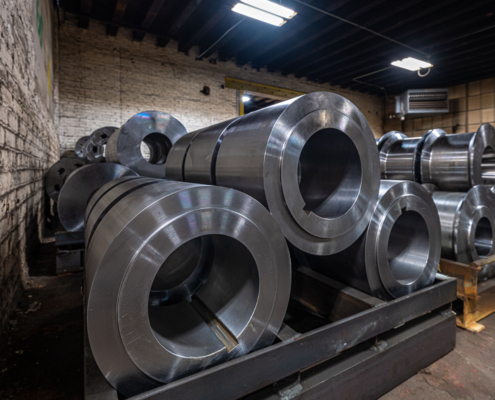
Ordering a new part directly from the original equipment manufacturer (OEM) can seem like the most straightforward solution. But in reality, OEM parts often come with significant lead times, particularly for older or less common mill models. Many components are made to order, and custom fabrication jobs can stretch delivery windows out by several weeks—or even months. If you’re dealing with a specialty mill or an outdated model, the delays can be even worse.
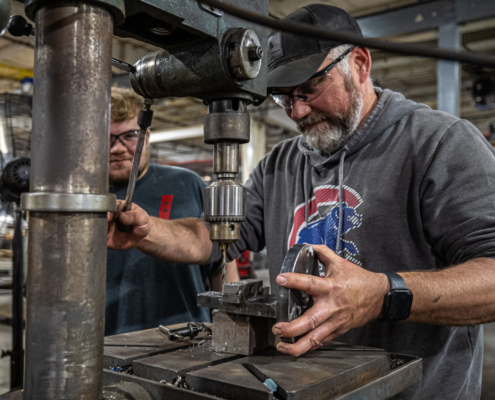
Rebuilding, on the other hand, offers a more agile alternative. Skilled rebuilders can often turn around worn components in a fraction of the time it takes to source new ones—especially if they maintain a stock of critical parts or component cores. In many cases, a rebuild can be completed within one to two weeks, depending on part complexity and scheduling.