Midwest Hardfacing
  • Roller Mill Parts
    • Rings
    • Rolls
    • Journals
    • Spiders and Supports
    • Wear Parts
  • Hammer Mill Parts
    • Pins and Rods
    • Hammers
  • Services
    • Rebuilding
    • Reverse Engineering / Custom Parts
    • Consulting
  • Used Parts
    • Used Parts Inventory
  • About Us
    • Blog
    • Careers
  • Contact
  • Menu Menu

How Environmental Factors Affect Hardfacing Performance

Discover how environmental conditions can make or break the performance of your hardfacing. Join us to gain a clearer understanding of how to select the right hardfacing solutions for your environment and keep your equipment running longer and more reliably.
Understanding Hardfacing and Its Role in Equipment Protection

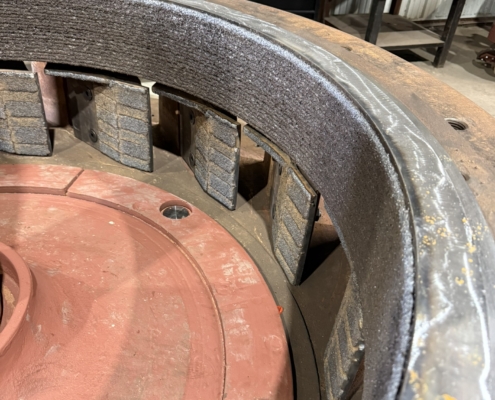
In a nutshell, hardfacing is a technique that applies a layer of harder, more wear-resistant material onto a surface that experiences significant wear. While standard welding might be used to bond two metal pieces together, hardfacing focuses on reinforcing areas that see the most contact, abrasion, or mechanical stress.

Materials often used in hardfacing include carbides, specialized alloys, and other compounds formulated to withstand punishing conditions.

Why Environmental Factors Count

You might choose the sturdiest alloy on the market, but if it’s not designed for your environment, it may not last as long as you’d like.

For example, a material that’s perfect for high abrasion might degrade quickly in a corrosive setting. Conversely, a metal that excels in damp conditions might not hold up to extreme heat. Matching the hardfacing material to the environment ensures you get the performance and lifespan you’re paying for.

Understanding How Temperature Extremes Impact Hardfacing

Temperature is a critical element in deciding which hardfacing material to use. From scorching heat in foundries to sub-freezing conditions in outdoor operations, the climate can weaken certain metals or cause them to fail prematurely.

High Heat: A Slow Burn on Hardfacing

When equipment works at elevated temperatures—think steel mills, forging plants, or industrial furnaces—some metals can lose their hardness or structural integrity. Even the protective hardfacing layer can degrade or soften under constant heat, making it less effective at resisting wear.

  • Temper Loss: If the material’s heat treatment breaks down, its hardness can drop, accelerating wear.
  • Thermal Expansion: Different metals expand at different rates. If the base metal and the hardfacing alloy expand unevenly, cracks or delamination may occur.
  • Oxidation: In high-temperature environments, oxidation can erode the protective layer faster, especially if the material isn’t designed for it.

Best Options for Hot Environments

Certain carbides and heat-resistant alloys (like some cobalt-based or nickel-based formulas) hold up well under high temperatures. They maintain hardness longer and are formulated to resist oxidation. The key is to consult the material specifications to ensure the chosen alloy can handle the operating temperature.

Cold Weather: Brittle Fractures and Cracking

On the other end of the spectrum, freezing temperatures can make some metals more brittle. When a metal part becomes brittle, it’s more likely to crack or shatter under stress—especially if there are sudden impacts involved.

  • Brittleness: Low temperatures can reduce a metal’s ability to flex, increasing the risk of fracture.
  • Thermal Shock: Rapid shifts between cold and warm environments can cause micro-cracks in the hardfacing layer.
  • Lubrication Issues: Cold weather often makes lubricants thicker, which can contribute to abrasive wear if surfaces aren’t smoothly lubricated.

Best Options for Cold Environments

If your operation is in a cold climate, look for hardfacing materials with good impact resistance, even at low temperatures. Iron-based alloys with added toughness modifiers can be a strong choice. Preheating parts before application and using a controlled cooling process can also minimize cracks.

If you’re facing relentless wear from extreme environments, you don’t have to settle for premature breakdowns. Explore our rebuilding services to discover how strategic hardfacing can combat heat, corrosion, and impact wear all at once.

Our Rebuilding

The Impact of Moisture, Corrosion, and Chemical Exposure on Hardfaced Surfaces

Moisture is the hidden enemy of most metal surfaces. Corrosion might not appear as dramatic as a sudden crack, but over time it can eat away at the protective layer, leading to significant damage. Chemical exposure adds another layer of complexity: certain chemicals can corrode metals at an accelerated rate, undermining your hardfacing investment.

Moisture & Humidity

Moist or humid conditions set the stage for rust formation, which can creep under the hardfaced layer or attack the base metal. This is particularly troublesome for equipment stored outdoors, especially if there’s no protective coating or maintenance routine in place.

Impacts of moisture include:

  • Rust & Pitting: Over time, small rust spots can grow into pits that undermine the bond between the hardfacing material and base metal.
  • Inconsistent Wear Patterns: If rust forms unevenly, it might concentrate stresses on certain parts of the equipment, leading to premature failure.

Corrosive Environments

Corrosion can be a slow burn or a rapid assault, depending on the chemicals in play—like saltwater spray, acidic fumes, or alkaline solutions. Hardfacing materials that excel in normal conditions might quickly degrade in a chemical-heavy environment.

Impacts of corrosion include:

  • Saltwater & Marine Settings: Salt-laden air or direct saltwater contact can corrode even robust metals if they’re not specifically designed for marine conditions.
  • Industrial Acids & Chemicals: Plants dealing with acidic or alkaline byproducts might see faster wear if the hardfacing alloy isn’t corrosion-resistant.

Preventive Maintenance Strategies Against Corrosion and Moisture

  • Protective Coatings: A topcoat designed for corrosion resistance can shield your hardfaced part from direct chemical contact.
  • Regular Inspections: Spotting small corrosion issues early allows for quick fixes, preventing larger-scale damage.
  • Storage Protocols: Whenever possible, equipment should be kept in dry, controlled environments to reduce the odds of rust or chemical exposure.

Abrasion vs. Impact Wear: Which One Matters More?

Mechanical wear often falls into two broad categories: abrasion and impact. Each type of wear demands different properties from your hardfacing material.

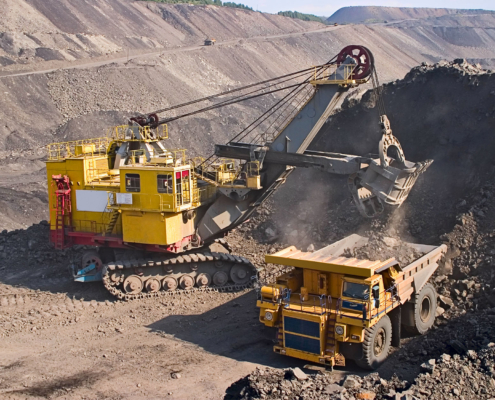
Abrasion happens when particles scrape against a surface, gradually wearing it down. Think of gravel sliding along a conveyor or soil rubbing against a plow. Hardfacing for high-abrasion environments typically emphasizes hardness so the material can withstand constant friction.

Impact wear results from heavy blows or collisions, such as crushing rocks or hammering metal. In these cases, the material needs enough toughness or ductility to absorb shock without cracking.

Balancing Act: The Right Material for the Right Job

In real-world scenarios, many operations deal with both abrasion and impact. A typical example is a hammer mill that both grinds (abrasion) and smashes (impact) ore or feed. Choosing a hybrid material or layering multiple coatings might be the answer—something that offers good hardness for abrasion yet retains enough toughness to handle impacts.

How to Choose the Right Hardfacing for Your Environmental Conditions

Selecting the perfect hardfacing solution is like putting together a puzzle: each piece of your operating environment—temperature, moisture, corrosion, abrasion, impact—needs to fit seamlessly. Here are some key steps to guide your decision:

Assess Wear Patterns

Determine whether your equipment is mostly dealing with abrasives, impact forces, corrosive chemicals, or extreme temperatures. Some might have overlapping challenges, like high temperatures plus corrosive chemicals, which call for a more specialized approach.

Match Materials to Conditions

  • High Heat: Look for heat-stable carbides or alloys.
  • Cold Climates: Seek out tougher alloys with good impact resistance.
  • Corrosive Settings: Pick nickel or cobalt-based materials, possibly with extra coatings.
  • High Abrasion vs. High Impact: Carbides work great for abrasion, while certain alloys or composites handle impact better.

Consider Budget and Lifespan

The most advanced material might be overkill if your conditions are only moderately severe. Conversely, opting for the cheapest alloy in a high-wear setting could lead to frequent breakdowns, offsetting any initial savings.

Apply Proper Maintenance

Even the best hardfacing will benefit from routine checks. Watch for cracks, rust spots, or flaking. Minor issues can escalate quickly if ignored.

Consult Experts When in Doubt

Every environment is unique. Input from professionals who understand both the materials and your operational constraints can save a lot of trial and error.

For the Best Environmental Solutions: Midwest Hardfacing

Environmental factors can make or break a hardfacing application. From scorching heat to corrosive chemicals, the right choice of material and method is essential for maximum lifespan and performance. By carefully assessing your operating conditions—temperature extremes, moisture levels, abrasive or impact wear—you can select a solution that goes the distance.

If you’re ready to upgrade your equipment for harsh conditions, reach out to Midwest Hardfacing. Our team understands how to tailor hardfacing applications for any environment, ensuring you get the durability and cost savings you deserve. Don’t let extreme conditions cut your roller or hammer mill’s life short—contact us today for a customized approach that delivers real results.

Share This Post

  • Share on Facebook
  • Share on X
  • Share on WhatsApp
  • Share on Pinterest
  • Share on LinkedIn
  • Share on Tumblr
  • Share on Vk
  • Share on Reddit
  • Share by Mail

More Like This

Professional worker working on a steel piece with hammer in a metal factory workshop

Replace vs Hardface Mill Parts: Cost Analysis & Decision Guide

Hardfacing
https://midwesthardfacing.com/wp-content/uploads/2026/05/4_Professional-worker-working-on-a-steel-piece-with-hammer-in-a-metal-factory-workshop.jpg 1250 2000 Nate Riggins /wp-content/uploads/2024/03/Midwest-Hardfacing-1.png Nate Riggins2026-05-04 15:24:432026-05-04 15:28:42Replace vs Hardface Mill Parts: Cost Analysis & Decision Guide
Experienced operator in a hard hat. Metalworking industry

Industrial Hardfacing Services: Process, Benefits & ROI Guide

Hardfacing
https://midwesthardfacing.com/wp-content/uploads/2026/05/2_Experienced-operator-in-a-hard-hat.-Metalworking-industry.jpg 1250 2000 Abstrakt Marketing /wp-content/uploads/2024/03/Midwest-Hardfacing-1.png Abstrakt Marketing2026-05-04 15:17:332026-05-04 15:21:12Industrial Hardfacing Services: Process, Benefits & ROI Guide
Hardfacing vs. Welding- What’s the Difference

Hardfacing vs. Welding: What’s the Difference?

Hardfacing
https://midwesthardfacing.com/wp-content/uploads/2025/07/Hardfacing-vs.-Welding-Whats-the-Difference.jpg 1250 2000 Abstrakt Marketing /wp-content/uploads/2024/03/Midwest-Hardfacing-1.png Abstrakt Marketing2025-07-18 13:45:562026-05-04 09:19:41Hardfacing vs. Welding: What’s the Difference?

What Is Hardfacing and How it Could Extend the Life of Your Heavy Equipment

Hardfacing
https://midwesthardfacing.com/wp-content/uploads/2025/07/Sparks-flying-while-cutting-metal.jpg 1250 2000 Abstrakt Marketing /wp-content/uploads/2024/03/Midwest-Hardfacing-1.png Abstrakt Marketing2025-07-02 10:46:392026-05-04 09:19:41What Is Hardfacing and How it Could Extend the Life of Your Heavy Equipment
Closeup welding torch of Flux Core Welding process

The Science Behind Hardfacing

Hardfacing
https://midwesthardfacing.com/wp-content/uploads/2025/07/Closeup-welding-torch-of-Flux-Core-Welding-process.jpg 1250 2000 Abstrakt Marketing /wp-content/uploads/2024/03/Midwest-Hardfacing-1.png Abstrakt Marketing2025-07-02 10:25:582026-05-04 09:19:42The Science Behind Hardfacing

The Importance of Tungsten Carbide Overlays When Hardfacing Your Industrial Equipment

Hardfacing
https://midwesthardfacing.com/wp-content/uploads/2025/07/An-adult-male-works-in-an-old-workshop.jpg 1250 2000 Abstrakt Marketing /wp-content/uploads/2024/03/Midwest-Hardfacing-1.png Abstrakt Marketing2025-07-02 10:20:152026-05-04 09:19:42The Importance of Tungsten Carbide Overlays When Hardfacing Your Industrial Equipment
big yellow mining truck

Hardfacing Solutions for Mining: What You Need to Know

Hardfacing
https://midwesthardfacing.com/wp-content/uploads/2025/06/big-yellow-mining-truck.jpg 1250 2000 Abstrakt Marketing /wp-content/uploads/2024/03/Midwest-Hardfacing-1.png Abstrakt Marketing2025-06-26 10:31:072026-05-04 09:19:42Hardfacing Solutions for Mining: What You Need to Know

The ROI of Hardfacing: Breaking Down the Numbers

Hardfacing
https://midwesthardfacing.com/wp-content/uploads/2025/06/IMG_0560.jpeg 2048 1536 Abstrakt Marketing /wp-content/uploads/2024/03/Midwest-Hardfacing-1.png Abstrakt Marketing2025-06-26 08:50:272026-05-04 09:19:42The ROI of Hardfacing: Breaking Down the Numbers
Factory for the production of conveyor belts

How Preventative Hardfacing Maintenance Can Minimize Downtime

Hardfacing
https://midwesthardfacing.com/wp-content/uploads/2025/06/Factory-for-the-production-of-conveyor-belts.jpg 1250 2000 Abstrakt Marketing /wp-content/uploads/2024/03/Midwest-Hardfacing-1.png Abstrakt Marketing2025-06-16 13:56:012026-05-04 09:19:42How Preventative Hardfacing Maintenance Can Minimize Downtime
Previous Previous Previous Next Next Next

Categories

  • Component Hardfacing
  • Downtime Reduction
  • Efficiency Optimization
  • Hammer Mill Operation
  • Hammer Mill Optimization
  • Hammer Mill Parts
  • Hammer Mill Repair
  • Hardfacing
  • Industrial Equipment Maintenance
  • Industrial Training
  • Maintenance Strategies
  • Mining
  • Preventive Maintenance
  • Roller Mill Optimization
  • Roller Mill Parts
  • Roller Mills
  • Vibration Control
  • Wear Parts
  • Workplace Safety

Contact Us

"*" indicates required fields

Who We Are

Midwest Hardfacing provides high-quality parts and services for roller and hammer mill across the world.

What We Do

Roller Mill Parts

Hammer Mill Parts

Services

Used Parts

Contact Us

205 E 4th Street / Rock Falls, IL 61071

(815) 622-9420

sales@midwesthardfacing.com

Website by Abstrakt Marketing Group ©
  • LinkedIn
  • Sitemap
  • Privacy Policy
Link to: The Ultimate Guide: Hardfacing for Heavy Equipment Link to: The Ultimate Guide: Hardfacing for Heavy Equipment The Ultimate Guide: Hardfacing for Heavy EquipmentA welder welding in factory Link to: How Preventative Hardfacing Maintenance Can Minimize Downtime Link to: How Preventative Hardfacing Maintenance Can Minimize Downtime Factory for the production of conveyor beltsHow Preventative Hardfacing Maintenance Can Minimize Downtime
Scroll to top Scroll to top Scroll to top

This site uses cookies. By continuing to browse the site, you are agreeing to our use of cookies.

OKLearn more

Cookie and Privacy Settings


How we use cookies

We may request cookies to be set on your device. We use cookies to let us know when you visit our websites, how you interact with us, to enrich your user experience, and to customize your relationship with our website.

Click on the different category headings to find out more. You can also change some of your preferences. Note that blocking some types of cookies may impact your experience on our websites and the services we are able to offer.

Essential Website Cookies

These cookies are strictly necessary to provide you with services available through our website and to use some of its features.

Because these cookies are strictly necessary to deliver the website, refusing them will have impact how our site functions. You always can block or delete cookies by changing your browser settings and force blocking all cookies on this website. But this will always prompt you to accept/refuse cookies when revisiting our site.

We fully respect if you want to refuse cookies but to avoid asking you again and again kindly allow us to store a cookie for that. You are free to opt out any time or opt in for other cookies to get a better experience. If you refuse cookies we will remove all set cookies in our domain.

We provide you with a list of stored cookies on your computer in our domain so you can check what we stored. Due to security reasons we are not able to show or modify cookies from other domains. You can check these in your browser security settings.

Other external services

We also use different external services like Google Webfonts, Google Maps, and external Video providers. Since these providers may collect personal data like your IP address we allow you to block them here. Please be aware that this might heavily reduce the functionality and appearance of our site. Changes will take effect once you reload the page.

Google Webfont Settings:

Google Map Settings:

Google reCaptcha Settings:

Vimeo and Youtube video embeds:

Accept settingsHide notification only