Midwest Hardfacing
  • Roller Mill Parts
    • Rings
    • Rolls
    • Journals
    • Spiders and Supports
    • Wear Parts
  • Hammer Mill Parts
    • Pins and Rods
    • Hammers
  • Services
    • Rebuilding
    • Reverse Engineering / Custom Parts
    • Consulting
  • Used Parts
    • Used Parts Inventory
  • About Us
    • Blog
    • Careers
  • Contact
  • Menu Menu

How Preventative Hardfacing Maintenance Can Minimize Downtime

Unexpected equipment failures don’t just drive up repair bills—they can shut down your entire operation and cut into your profits. A preventive hardfacing maintenance plan can help by catching wear early, reinforcing the hardest-hit surfaces, and avoiding breakdowns altogether.

What Is Preventive Hardfacing Maintenance?

Preventive hardfacing maintenance is a proactive strategy designed to keep critical machinery parts in top condition before they fail. Instead of waiting for a component to wear down completely and trigger an unexpected breakdown, preventive maintenance schedules regular inspections and touch‑ups of hardfaced surfaces. By reinforcing high‑wear areas on a predictable timeline, you avoid the costly surprises of reactive repairs.

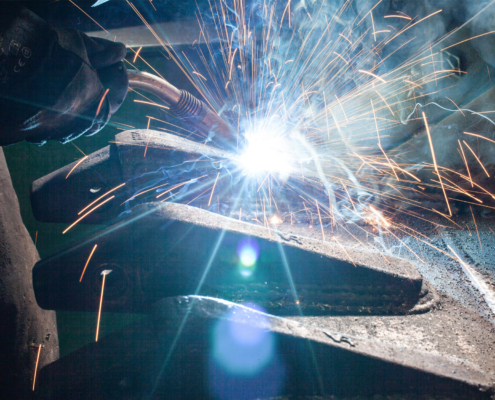
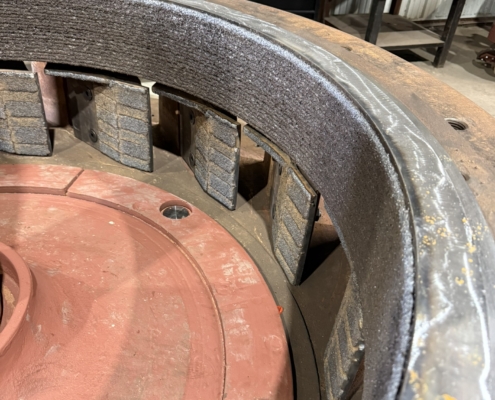
Hardfacing is the process of depositing a tough, wear‑resistant alloy—often a carbide or specialized metal alloy—onto metal surfaces that experience heavy abrasion, impact, or erosion. Preventive hardfacing maintenance takes this further by building a regular schedule around reapplying or repairing that protective layer.

The goal is to maintain a consistently thick, uniform coating so that the underlying component never reaches a point of failure.

Preventive vs. Reactive Repairs

  • Reactive Repairs: You wait for a part to break or a machine to seize up, then scramble to make emergency repairs. This approach often leads to unscheduled downtime, premium labor rates, and rushed replacement parts.
  • Preventive Maintenance: You plan ahead, inspect wear‑prone surfaces at set intervals, and perform minor hardfacing touch‑ups before damage becomes critical. This keeps equipment such as hammer and roller mills running smoothly and lets you plan downtime.

Key Benefits of Proactive Hardfacing

  • Reduced Downtime: Scheduled hardfacing means fewer unexpected breakdowns, so production stays on track.
  • Consistent Performance: Maintaining a uniform wear‑resistant layer prevents efficiency losses that occur when components thin out or develop gouges.
  • Lower Maintenance Costs: Touching up a worn spot is far cheaper than replacing the entire part or paying for emergency repairs.
  • Extended Equipment Life: Regular reinforcement reduces the wear process, making machinery last significantly longer.

By shifting from a reactive mindset to a preventive hardfacing maintenance program, businesses can protect their bottom line, avoid unplanned stoppages, and keep their heavy equipment operating at peak efficiency.

The Cost of Downtime: Why Prevention Matters

Nobody likes surprises—especially when they involve a key piece of equipment shutting down during a critical run. Every minute your machinery sits idle, you’re losing more than just production time. Downtime costs your business money in ways that aren’t always obvious at first glance.

Here are some ways downtime hurts your business:

Lost Productivity

Imagine a conveyor belt that suddenly seizes up. While you wait for parts, your entire line comes to a standstill. If your factory makes 100 units an hour and each unit is worth $50 in revenue, even a two‑hour stoppage means $10,000 in missed income. That’s not a one‑time hit; delayed orders cascade into delivery penalties, unhappy customers, and potential lost business down the road.

Premium Repair and Labor Costs

Emergency fixes rarely come cheap. When you call in technicians on short notice, you often pay overtime rates. If a hardfacing operator normally bills $75 an hour, that can jump to $112.50 or more for after‑hours work. Plus, expedited shipping for replacement parts—sometimes 2–3× the normal freight cost—can turn a $200 part into a $600 rush order.

Hidden Expenses and Opportunity Costs

  • Idle Workforce: Operators, supervisors, and support staff all have to wait around when equipment isn’t running. Their labor hours still count against your payroll without producing any value.
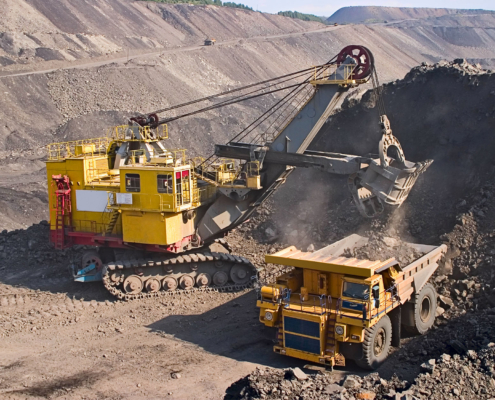
  • Missed Contracts: In project‑driven industries like construction or mining, one delayed machine can hold up multiple contracts, leading to liquidated damages or contract terminations.
  • Reputational Damage: Repeated downtime can damage your credibility. Clients who face late deliveries or inconsistent quality may take their business elsewhere.

The Preventive Advantage

Catching wear early and reinforcing components with hardfacing dramatically reduces the likelihood of costly breakdowns. Instead of scrambling for emergency repairs, you schedule maintenance during planned downtimes—keeping your teams productive, your clients happy, and your bottom line intact. When the cost of downtime is measured in tens of thousands of dollars each day, investing in a solid preventive hardfacing program suddenly looks like a no‑brainer.

Ready to reinforce your equipment before it breaks down? Learn more about our rebuilding services and discover how our tungsten‑carbide hardfacing solutions can keep you up and running.

Explore Rebuilding

How Preventive Hardfacing Maintenance Works

A preventive hardfacing program relies on systematic inspections, timely interventions, and the right techniques to keep wear-prone components in top shape. Here’s how to structure a maintenance plan that catches problems early and reinforces surfaces before they fail:

Step 1: Conduct Regular Inspections

The cornerstone of preventive maintenance is a consistent inspection schedule. Depending on how hard your equipment works and the environment it operates in, you might check critical components every:

  • 250–500 operational hours for high‑wear machines (like crushers or hammer mills).
  • Monthly or quarterly for moderate‑use equipment (such as conveyor rollers or agricultural implements).

During each inspection, use visual checks and simple measurement tools—like calipers, wear gauges, or hardness testers—to assess coating thickness and look for cracks, gouges, or thinning areas.

Step 2: Invest in Techniques for Maintaining Hardfaced Surfaces

Once you identify early wear, there are two main strategies:

  • Touch‑Up Hardfacing: For small spots or shallow wear, you can reapply a thin bead of hardfacing material directly onto the worn area. This quick fix restores the protective layer without disturbing the rest of the component.
  • Full Resurfacing: If wear is widespread, it’s wiser to remove the old hardfacing completely and apply a new, uniform coating across the entire surface. This ensures consistent thickness and bonding, which translates to longer service life.

Both techniques typically employ welding processes such as stick or MIG welding for common alloys, or Plasma Transfer Arc (PTA) for premium carbide overlays. The choice depends on the material, part geometry, and desired wear resistance.

Step 3: Set Up a Maintenance Schedule

Your maintenance frequency should reflect your equipment’s workload and operating conditions:

  • Determine baseline wear rates by tracking how much material wears off between inspections.
  • Adjust intervals based on severity. Cut inspection cycles in half if you see rapid wear, or extend them if your parts remain robust.
  • Coordinate with production to schedule hardfacing during planned downtime, minimizing impact on operations.

Step 4: Understand Your Tools and Methods

Effective preventive hardfacing relies on:

  • Wear gauges & ultrasonic testers to measure coating thickness without dismantling parts.
  • Digital hardness testers are used to verify that the alloy’s hardness remains within specification.
  • Dry‑film thickness meters for non‑destructive checks on sprayed coatings.
  • Portable welding stations or onsite PTA units are used to apply or repair hardfacing quickly.

By combining regular inspections with targeted maintenance techniques and the right tools, you’ll keep wear‑resistant layers intact, avoid surprise failures, and ensure your equipment delivers consistent performance day in and day out.

Best Practices for Preventive Hardfacing Maintenance

Maintaining hardfaced components is a process that starts with careful planning and ends with continuous improvement. Here are the key practices—broken into logical steps—to ensure hardfacing delivers maximum uptime and longevity.

Timing Your Inspections

A solid preventive program hinges on knowing exactly when to inspect your equipment. Rather than relying on guesswork, track the run hours for each machine and set inspection intervals based on real usage. Operators should also perform quick daily checks, looking for small chips, discoloration, or unusual wear patterns that can signal the need for a closer look.

Tighten your inspection schedule in particularly harsh or abrasive environments. In milder conditions, you can afford to spread it out a bit.

Selecting the Right Hardfacing Material

Not all alloys are created equal, and choosing the perfect hardfacing material starts with understanding your wear challenges. For example, tungsten carbide overlays offer unrivaled resistance to abrasion and impacts.

Work closely with your hardfacing supplier to match the material’s properties—hardness, toughness, temperature tolerance—to the demands of your operation. Keeping a small on‑site stock of these recommended alloys ensures you never lose time hunting down the right welding rods or powders.

Preparing Surfaces Properly

Success begins long before the first weld bead is laid. Any dirt, oil, or loose metal on the surface compromises the bond between the hardfacing alloy and the base metal. Thoroughly clean components with the appropriate solvents or wire brushes, and, when required, preheat parts to reduce stress and prevent cracking.

Controlling heat input—monitoring amperage, travel speed, and interpass temperature—is crucial for avoiding warping or damaging the base material.

Executing with Precision

Even the best material and prep work can’t compensate for sloppy application. Only certified technicians should handle hardfacing, using the exact welding or PTA parameters recommended for your chosen alloy. Strive for a uniform layer—too thin invites early wear, too thick risks cracking under impact.

Throughout the weld, keep records of your settings so you can replicate successful jobs and troubleshoot any that don’t meet expectations.

Documenting and Improving

Preventive maintenance is a cycle, not a one‑and‑done job. After each hardfacing session, record how long the coating performs before needing repair.

Compare these wear rates across different materials, methods, and operating conditions. Use that data to adjust your inspection intervals, tweak welding parameters, or reconsider your alloy choice. Over time, this continuous‑improvement approach will hone your program into a reliable, cost‑effective shield against downtime.

The Financial Benefits of Preventive Maintenance

Putting a preventive hardfacing program in place pays for itself in several ways, and the savings quickly outpace the upfront costs of scheduled maintenance.

The most obvious benefit is the reduction of emergency repair expenses. When a critical wear part finally gives way, you’re often looking at not just the price of a new component but also premium labor rates for after‑hours work, expedited shipping fees, and the ripple downtime costs. By contrast, a hardfacing touch‑up performed during a planned service window typically costs a fraction of a full replacement and avoids those rush charges.

Beyond direct repair costs, preventive maintenance stabilizes your production schedule. You’ll know exactly when each machine is slated for service, so you can arrange labor, order materials, and minimize disruption to operations. That predictability keeps your workforce productive and prevents the cascading delays that can derail entire projects.

There’s also a long‑term capital preservation angle: extending the life of major equipment reduces the need for large capital expenditures on replacements. For heavy machinery that costs hundreds of thousands of dollars, adding years to its service life through preventive hardfacing can free up budget for other growth initiatives.

Finally, a robust preventive program supports better budgeting and planning. When you no longer have to allocate large contingency funds for surprise breakdowns, you can invest more in strategic upgrades, like automation, process improvements, or additional hardfacing projects in other critical areas.

The overall result is a healthier bottom line, a more reliable operation, and the confidence to pursue new opportunities instead of constantly reacting to equipment failures.

How Midwest Hardfacing Can Help You Reduce Downtime

Preventive hardfacing maintenance isn’t just a technical fix, it’s a strategic investment that keeps your equipment running at peak performance and safeguards your bottom line.

Don’t let wear‑related breakdowns slow you down or inflate your repair budget. Contact Midwest Hardfacing today for a consultation on preventive hardfacing maintenance. We’ll work with you to build a maintenance plan that keeps your equipment—and your business—moving forward.

Share This Post

  • Share on Facebook
  • Share on X
  • Share on WhatsApp
  • Share on Pinterest
  • Share on LinkedIn
  • Share on Tumblr
  • Share on Vk
  • Share on Reddit
  • Share by Mail

More Like This

Professional worker working on a steel piece with hammer in a metal factory workshop

Replace vs Hardface Mill Parts: Cost Analysis & Decision Guide

Hardfacing
https://midwesthardfacing.com/wp-content/uploads/2026/05/4_Professional-worker-working-on-a-steel-piece-with-hammer-in-a-metal-factory-workshop.jpg 1250 2000 Nate Riggins /wp-content/uploads/2024/03/Midwest-Hardfacing-1.png Nate Riggins2026-05-04 15:24:432026-05-04 15:28:42Replace vs Hardface Mill Parts: Cost Analysis & Decision Guide
Experienced operator in a hard hat. Metalworking industry

Industrial Hardfacing Services: Process, Benefits & ROI Guide

Hardfacing
https://midwesthardfacing.com/wp-content/uploads/2026/05/2_Experienced-operator-in-a-hard-hat.-Metalworking-industry.jpg 1250 2000 Abstrakt Marketing /wp-content/uploads/2024/03/Midwest-Hardfacing-1.png Abstrakt Marketing2026-05-04 15:17:332026-05-04 15:21:12Industrial Hardfacing Services: Process, Benefits & ROI Guide
Hardfacing vs. Welding- What’s the Difference

Hardfacing vs. Welding: What’s the Difference?

Hardfacing
https://midwesthardfacing.com/wp-content/uploads/2025/07/Hardfacing-vs.-Welding-Whats-the-Difference.jpg 1250 2000 Abstrakt Marketing /wp-content/uploads/2024/03/Midwest-Hardfacing-1.png Abstrakt Marketing2025-07-18 13:45:562026-05-04 09:19:41Hardfacing vs. Welding: What’s the Difference?

What Is Hardfacing and How it Could Extend the Life of Your Heavy Equipment

Hardfacing
https://midwesthardfacing.com/wp-content/uploads/2025/07/Sparks-flying-while-cutting-metal.jpg 1250 2000 Abstrakt Marketing /wp-content/uploads/2024/03/Midwest-Hardfacing-1.png Abstrakt Marketing2025-07-02 10:46:392026-05-04 09:19:41What Is Hardfacing and How it Could Extend the Life of Your Heavy Equipment
Closeup welding torch of Flux Core Welding process

The Science Behind Hardfacing

Hardfacing
https://midwesthardfacing.com/wp-content/uploads/2025/07/Closeup-welding-torch-of-Flux-Core-Welding-process.jpg 1250 2000 Abstrakt Marketing /wp-content/uploads/2024/03/Midwest-Hardfacing-1.png Abstrakt Marketing2025-07-02 10:25:582026-05-04 09:19:42The Science Behind Hardfacing

The Importance of Tungsten Carbide Overlays When Hardfacing Your Industrial Equipment

Hardfacing
https://midwesthardfacing.com/wp-content/uploads/2025/07/An-adult-male-works-in-an-old-workshop.jpg 1250 2000 Abstrakt Marketing /wp-content/uploads/2024/03/Midwest-Hardfacing-1.png Abstrakt Marketing2025-07-02 10:20:152026-05-04 09:19:42The Importance of Tungsten Carbide Overlays When Hardfacing Your Industrial Equipment
big yellow mining truck

Hardfacing Solutions for Mining: What You Need to Know

Hardfacing
https://midwesthardfacing.com/wp-content/uploads/2025/06/big-yellow-mining-truck.jpg 1250 2000 Abstrakt Marketing /wp-content/uploads/2024/03/Midwest-Hardfacing-1.png Abstrakt Marketing2025-06-26 10:31:072026-05-04 09:19:42Hardfacing Solutions for Mining: What You Need to Know

The ROI of Hardfacing: Breaking Down the Numbers

Hardfacing
https://midwesthardfacing.com/wp-content/uploads/2025/06/IMG_0560.jpeg 2048 1536 Abstrakt Marketing /wp-content/uploads/2024/03/Midwest-Hardfacing-1.png Abstrakt Marketing2025-06-26 08:50:272026-05-04 09:19:42The ROI of Hardfacing: Breaking Down the Numbers

How Environmental Factors Affect Hardfacing Performance

Hardfacing
https://midwesthardfacing.com/wp-content/uploads/2024/06/Worker-hardfacing-parts.jpg 1250 2000 Abstrakt Marketing /wp-content/uploads/2024/03/Midwest-Hardfacing-1.png Abstrakt Marketing2025-05-21 16:27:052026-05-04 09:19:42How Environmental Factors Affect Hardfacing Performance
Previous Previous Previous Next Next Next

Categories

  • Component Hardfacing
  • Downtime Reduction
  • Efficiency Optimization
  • Hammer Mill Operation
  • Hammer Mill Optimization
  • Hammer Mill Parts
  • Hammer Mill Repair
  • Hardfacing
  • Industrial Equipment Maintenance
  • Industrial Training
  • Maintenance Strategies
  • Mining
  • Preventive Maintenance
  • Roller Mill Optimization
  • Roller Mill Parts
  • Roller Mills
  • Vibration Control
  • Wear Parts
  • Workplace Safety

Contact Us

"*" indicates required fields

Who We Are

Midwest Hardfacing provides high-quality parts and services for roller and hammer mill across the world.

What We Do

Roller Mill Parts

Hammer Mill Parts

Services

Used Parts

Contact Us

205 E 4th Street / Rock Falls, IL 61071

(815) 622-9420

sales@midwesthardfacing.com

Website by Abstrakt Marketing Group ©
  • LinkedIn
  • Sitemap
  • Privacy Policy
Link to: How Environmental Factors Affect Hardfacing Performance Link to: How Environmental Factors Affect Hardfacing Performance How Environmental Factors Affect Hardfacing Performance Link to: Hammer Mill Hammers for Feed, Grain, and Biomass: What’s the Difference? Link to: Hammer Mill Hammers for Feed, Grain, and Biomass: What’s the Difference? Hammer Mill Hammers for Feed, Grain, and Biomass: What’s the Difference?
Scroll to top Scroll to top Scroll to top

This site uses cookies. By continuing to browse the site, you are agreeing to our use of cookies.

OKLearn more

Cookie and Privacy Settings


How we use cookies

We may request cookies to be set on your device. We use cookies to let us know when you visit our websites, how you interact with us, to enrich your user experience, and to customize your relationship with our website.

Click on the different category headings to find out more. You can also change some of your preferences. Note that blocking some types of cookies may impact your experience on our websites and the services we are able to offer.

Essential Website Cookies

These cookies are strictly necessary to provide you with services available through our website and to use some of its features.

Because these cookies are strictly necessary to deliver the website, refusing them will have impact how our site functions. You always can block or delete cookies by changing your browser settings and force blocking all cookies on this website. But this will always prompt you to accept/refuse cookies when revisiting our site.

We fully respect if you want to refuse cookies but to avoid asking you again and again kindly allow us to store a cookie for that. You are free to opt out any time or opt in for other cookies to get a better experience. If you refuse cookies we will remove all set cookies in our domain.

We provide you with a list of stored cookies on your computer in our domain so you can check what we stored. Due to security reasons we are not able to show or modify cookies from other domains. You can check these in your browser security settings.

Other external services

We also use different external services like Google Webfonts, Google Maps, and external Video providers. Since these providers may collect personal data like your IP address we allow you to block them here. Please be aware that this might heavily reduce the functionality and appearance of our site. Changes will take effect once you reload the page.

Google Webfont Settings:

Google Map Settings:

Google reCaptcha Settings:

Vimeo and Youtube video embeds:

Accept settingsHide notification only