Midwest Hardfacing
  • Roller Mill Parts
    • Rings
    • Rolls
    • Journals
    • Spiders and Supports
    • Wear Parts
  • Hammer Mill Parts
    • Pins and Rods
    • Hammers
  • Services
    • Rebuilding
    • Reverse Engineering / Custom Parts
    • Consulting
  • Used Parts
    • Used Parts Inventory
  • About Us
    • Blog
    • Careers
  • Contact
  • Menu Menu

Comparing the Cost of Hardfacing With Full Equipment Replacement

Replacing heavy equipment parts isn’t cheap, and frequent breakdowns quickly drain your maintenance budget. But what if there was a smarter way to protect your machinery—and your bottom line? Hardfacing can dramatically reduce repair costs and extend equipment lifespan, saving your business thousands of dollars each year. Keep reading to discover how this simple solution can make a huge financial difference.
What Is Hardfacing?

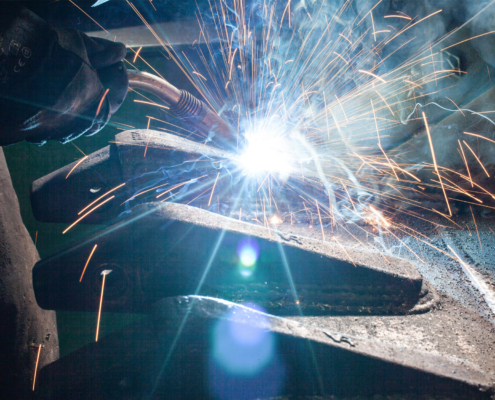
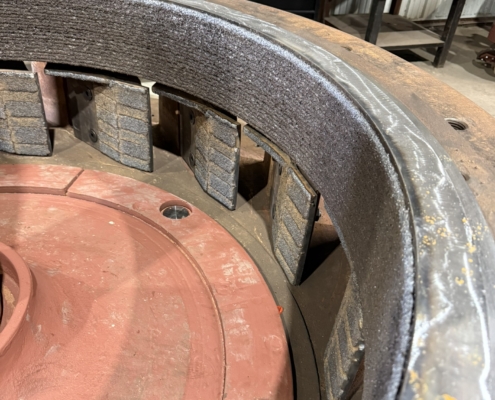
Hardfacing is a welding process that involves applying a hard, wear-resistant material to the surface of metal components. This added layer acts like armor, protecting the underlying metal from abrasion, impact, and corrosion. The goal of hardfacing is simple: to extend the life of equipment parts that would otherwise wear out quickly in harsh working conditions.

By reinforcing equipment surfaces, hardfacing minimizes the need for frequent repairs and replacements, offering a cost-effective maintenance strategy for industries where machinery is exposed to extreme conditions. Some of the most common hardfacing materials include tungsten carbide, chromium carbide, nickel alloys, and specialized hardfacing powders designed for specific industrial applications.

How Hardfacing Extends Equipment Lifespan

The protective layer created by hardfacing effectively reduces surface wear on critical machine components. This process can double or even triple the life of equipment parts, which means businesses can avoid the hidden expenses associated with frequent breakdowns and repairs.

Industries That Rely on Hardfacing

Many industries benefit from hardfacing, particularly those where machinery components are exposed to heavy wear and tear. These include:

  • Construction: Reinforces excavator buckets, bulldozer blades, and cutting edges.
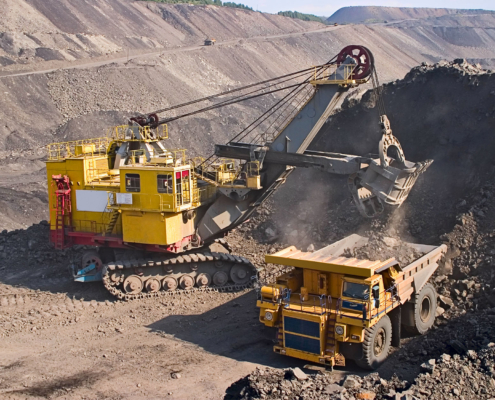
  • Mining: Extends the life of crusher hammers, grinding rolls, and conveyor components.
  • Agriculture: Protects tillage tools, chippers, and blades from abrasive soil and debris.
  • Manufacturing: Keeps high-impact equipment like roller mills or hammer mills performing efficiently.

Looking to learn more about how hardfacing can extend the life of your roller mill parts? Visit Midwest Hardfacing’s roller mill parts page to discover cost-effective solutions for your equipment.

Explore Roller Mill Parts

The True Cost of Equipment Replacement

When machinery components wear out, the immediate reaction is often to replace them entirely. While this approach seems straightforward, it can be incredibly expensive—not just in terms of the part itself but also due to the associated costs of installation, downtime, and lost productivity.

How Much Does It Cost to Replace Heavy Machinery Parts?

The cost of replacement parts varies widely depending on the type of equipment and the specific components needed. For example:

  • Excavator Buckets: $10,000 to $20,000 or more, depending on size and material.
  • Crusher Hammers: $5,000 to $15,000 each, with multiple hammers often required.
  • Conveyor Rollers and Pulleys: $500 to $2,000 per unit, with larger systems requiring many units.
  • Bulldozer Blades: $15,000 to $30,000, with costs rising significantly for custom or reinforced options.

The Hidden Costs of Frequent Equipment Replacement

When equipment parts wear out, the cost of replacement goes far beyond the purchase price of new components. Businesses often overlook the hidden expenses associated with frequent equipment replacements, which can significantly impact profitability. These hidden costs not only affect the maintenance budget but also ripple through other aspects of business operations, creating financial and operational challenges.

Downtime: The Cost of Idle Machinery

Every minute of downtime while waiting for replacement parts or performing installations translates into lost productivity. When a critical piece of equipment is offline, it can halt entire operations, delaying production schedules and affecting delivery commitments. For businesses in industries like manufacturing, construction, and mining, where equipment plays a pivotal role in daily operations, even short periods of downtime can lead to significant financial losses.

Labor Costs: Installation and Maintenance

Replacing equipment parts often requires specialized technicians or skilled labor, which adds to overall expenses. The cost of labor includes not only the hourly wages but also any additional fees for emergency repairs or after-hours work. Furthermore, technicians may need to reconfigure or recalibrate equipment after the new part is installed, extending the labor costs even further.

Lost Productivity: A Chain Reaction of Delays

When equipment fails, it doesn’t just affect the immediate task at hand. The consequences often cascade through the entire operation. Delayed processes can hold up other stages of production, causing a bottleneck effect. Workers might be forced into downtime, leading to reduced overall productivity and efficiency.

  • Project Delays: When machinery is offline, project timelines are pushed back, affecting everything from production targets to delivery schedules.
  • Operational Disruptions: Other equipment and processes dependent on the malfunctioning part may also be forced to halt or work inefficiently, reducing the productivity of the entire operation.

Shipping and Logistics: The Cost of Getting Parts Quickly

Especially for heavy or specialized parts, shipping costs can add up quickly, particularly when expedited delivery is necessary. The need for rush shipping often arises when equipment fails unexpectedly and businesses need to minimize downtime. Air freight, priority handling, and special packaging for fragile or large components all contribute to inflated logistics costs.

Additional Costs to Consider

  • Training Costs: New components or upgraded equipment may require employee training, which can take time and resources.
  • Disposal Costs: Removing and disposing of old, worn-out equipment components can incur fees, especially if the materials require special handling or environmental compliance.
  • Financing Costs: If a business needs to finance expensive replacement parts, interest payments add to the overall cost.

Hardfacing vs. Equipment Replacement: A Cost Comparison

To truly understand the financial impact of hardfacing new equipment compared to general equipment replacement, it’s helpful to look at a direct comparison of costs and benefits over time.

The Initial Cost of Hardfacing

The cost of hardfacing services varies based on the size and complexity of the component, but typical expenses might include:

  • Hardfacing Excavator Buckets: $2,000 to $5,000 compared to $15,000+ for a new bucket.
  • Crusher Hammer Hardfacing: $500 to $1,500 per hammer, offering significant savings over full replacements.
  • Conveyor Component Hardfacing: Around $200 to $500 per roller, a fraction of the cost of new units.

Short-Term vs. Long-Term Cost of Hardfacing

  • Short-Term Costs: Hardfacing immediately costs more than a standard replacement, as it’s typically conducted with new parts.
  • Long-Term Benefits: Since hardfacing extends the lifespan of equipment components, businesses save not just on the parts themselves but also on labor, downtime, and operational disruptions.

The Bottom Line: When Should You Choose Hardfacing Over Replacement?

While replacing your equipment is always eventually necessary, there are many scenarios where hardfacing your new parts gives a clear advantage. Here’s when it makes sense to choose hardfacing:

When Downtime Costs Are High

For industries where equipment downtime directly affects productivity and profitability, hardfacing is an excellent choice. It makes sure that your parts stay operating as normal for longer, helping minimize operational disruptions.

When Extra Durability Is Needed

In industries with high-wear environments, hardfacing provides an added layer of protection, making machinery more resilient against harsh conditions. This is especially useful in mining, construction, and agriculture, where equipment is constantly exposed to abrasive materials and impacts.

Save Money With Midwest Hardfacing

If you’re ready to explore how hardfacing can save your business money, contact Midwest Hardfacing today. Our experienced team will provide a detailed evaluation of your equipment, recommend the best hardfacing solutions, and help you keep your operations running smoothly without breaking the bank. Don’t let costly replacements eat into your profits—reach out now for a cost-saving consultation!

Share This Post

  • Share on Facebook
  • Share on X
  • Share on WhatsApp
  • Share on Pinterest
  • Share on LinkedIn
  • Share on Tumblr
  • Share on Vk
  • Share on Reddit
  • Share by Mail

More Like This

Professional worker working on a steel piece with hammer in a metal factory workshop

Replace vs Hardface Mill Parts: Cost Analysis & Decision Guide

Hardfacing
https://midwesthardfacing.com/wp-content/uploads/2026/05/4_Professional-worker-working-on-a-steel-piece-with-hammer-in-a-metal-factory-workshop.jpg 1250 2000 Nate Riggins /wp-content/uploads/2024/03/Midwest-Hardfacing-1.png Nate Riggins2026-05-04 15:24:432026-05-04 15:28:42Replace vs Hardface Mill Parts: Cost Analysis & Decision Guide
Experienced operator in a hard hat. Metalworking industry

Industrial Hardfacing Services: Process, Benefits & ROI Guide

Hardfacing
https://midwesthardfacing.com/wp-content/uploads/2026/05/2_Experienced-operator-in-a-hard-hat.-Metalworking-industry.jpg 1250 2000 Abstrakt Marketing /wp-content/uploads/2024/03/Midwest-Hardfacing-1.png Abstrakt Marketing2026-05-04 15:17:332026-05-04 15:21:12Industrial Hardfacing Services: Process, Benefits & ROI Guide
Hardfacing vs. Welding- What’s the Difference

Hardfacing vs. Welding: What’s the Difference?

Hardfacing
https://midwesthardfacing.com/wp-content/uploads/2025/07/Hardfacing-vs.-Welding-Whats-the-Difference.jpg 1250 2000 Abstrakt Marketing /wp-content/uploads/2024/03/Midwest-Hardfacing-1.png Abstrakt Marketing2025-07-18 13:45:562026-05-04 09:19:41Hardfacing vs. Welding: What’s the Difference?

What Is Hardfacing and How it Could Extend the Life of Your Heavy Equipment

Hardfacing
https://midwesthardfacing.com/wp-content/uploads/2025/07/Sparks-flying-while-cutting-metal.jpg 1250 2000 Abstrakt Marketing /wp-content/uploads/2024/03/Midwest-Hardfacing-1.png Abstrakt Marketing2025-07-02 10:46:392026-05-04 09:19:41What Is Hardfacing and How it Could Extend the Life of Your Heavy Equipment
Closeup welding torch of Flux Core Welding process

The Science Behind Hardfacing

Hardfacing
https://midwesthardfacing.com/wp-content/uploads/2025/07/Closeup-welding-torch-of-Flux-Core-Welding-process.jpg 1250 2000 Abstrakt Marketing /wp-content/uploads/2024/03/Midwest-Hardfacing-1.png Abstrakt Marketing2025-07-02 10:25:582026-05-04 09:19:42The Science Behind Hardfacing

The Importance of Tungsten Carbide Overlays When Hardfacing Your Industrial Equipment

Hardfacing
https://midwesthardfacing.com/wp-content/uploads/2025/07/An-adult-male-works-in-an-old-workshop.jpg 1250 2000 Abstrakt Marketing /wp-content/uploads/2024/03/Midwest-Hardfacing-1.png Abstrakt Marketing2025-07-02 10:20:152026-05-04 09:19:42The Importance of Tungsten Carbide Overlays When Hardfacing Your Industrial Equipment
big yellow mining truck

Hardfacing Solutions for Mining: What You Need to Know

Hardfacing
https://midwesthardfacing.com/wp-content/uploads/2025/06/big-yellow-mining-truck.jpg 1250 2000 Abstrakt Marketing /wp-content/uploads/2024/03/Midwest-Hardfacing-1.png Abstrakt Marketing2025-06-26 10:31:072026-05-04 09:19:42Hardfacing Solutions for Mining: What You Need to Know

The ROI of Hardfacing: Breaking Down the Numbers

Hardfacing
https://midwesthardfacing.com/wp-content/uploads/2025/06/IMG_0560.jpeg 2048 1536 Abstrakt Marketing /wp-content/uploads/2024/03/Midwest-Hardfacing-1.png Abstrakt Marketing2025-06-26 08:50:272026-05-04 09:19:42The ROI of Hardfacing: Breaking Down the Numbers
Factory for the production of conveyor belts

How Preventative Hardfacing Maintenance Can Minimize Downtime

Hardfacing
https://midwesthardfacing.com/wp-content/uploads/2025/06/Factory-for-the-production-of-conveyor-belts.jpg 1250 2000 Abstrakt Marketing /wp-content/uploads/2024/03/Midwest-Hardfacing-1.png Abstrakt Marketing2025-06-16 13:56:012026-05-04 09:19:42How Preventative Hardfacing Maintenance Can Minimize Downtime
Previous Previous Previous Next Next Next

Categories

  • Component Hardfacing
  • Downtime Reduction
  • Efficiency Optimization
  • Hammer Mill Operation
  • Hammer Mill Optimization
  • Hammer Mill Parts
  • Hammer Mill Repair
  • Hardfacing
  • Industrial Equipment Maintenance
  • Industrial Training
  • Maintenance Strategies
  • Mining
  • Preventive Maintenance
  • Roller Mill Optimization
  • Roller Mill Parts
  • Roller Mills
  • Vibration Control
  • Wear Parts
  • Workplace Safety

Contact Us

"*" indicates required fields

Who We Are

Midwest Hardfacing provides high-quality parts and services for roller and hammer mill across the world.

What We Do

Roller Mill Parts

Hammer Mill Parts

Services

Used Parts

Contact Us

205 E 4th Street / Rock Falls, IL 61071

(815) 622-9420

sales@midwesthardfacing.com

Website by Abstrakt Marketing Group ©
  • LinkedIn
  • Sitemap
  • Privacy Policy
Link to: 5 Signs Your Industrial Machinery Needs Hardfacing Repairs Link to: 5 Signs Your Industrial Machinery Needs Hardfacing Repairs 5 Signs Your Industrial Machinery Needs Hardfacing Repairs Link to: The Ultimate Guide: Hardfacing for Heavy Equipment Link to: The Ultimate Guide: Hardfacing for Heavy Equipment A welder welding in factoryThe Ultimate Guide: Hardfacing for Heavy Equipment
Scroll to top Scroll to top Scroll to top

This site uses cookies. By continuing to browse the site, you are agreeing to our use of cookies.

OKLearn more

Cookie and Privacy Settings


How we use cookies

We may request cookies to be set on your device. We use cookies to let us know when you visit our websites, how you interact with us, to enrich your user experience, and to customize your relationship with our website.

Click on the different category headings to find out more. You can also change some of your preferences. Note that blocking some types of cookies may impact your experience on our websites and the services we are able to offer.

Essential Website Cookies

These cookies are strictly necessary to provide you with services available through our website and to use some of its features.

Because these cookies are strictly necessary to deliver the website, refusing them will have impact how our site functions. You always can block or delete cookies by changing your browser settings and force blocking all cookies on this website. But this will always prompt you to accept/refuse cookies when revisiting our site.

We fully respect if you want to refuse cookies but to avoid asking you again and again kindly allow us to store a cookie for that. You are free to opt out any time or opt in for other cookies to get a better experience. If you refuse cookies we will remove all set cookies in our domain.

We provide you with a list of stored cookies on your computer in our domain so you can check what we stored. Due to security reasons we are not able to show or modify cookies from other domains. You can check these in your browser security settings.

Other external services

We also use different external services like Google Webfonts, Google Maps, and external Video providers. Since these providers may collect personal data like your IP address we allow you to block them here. Please be aware that this might heavily reduce the functionality and appearance of our site. Changes will take effect once you reload the page.

Google Webfont Settings:

Google Map Settings:

Google reCaptcha Settings:

Vimeo and Youtube video embeds:

Accept settingsHide notification only